Dead of Darkness 1 beginner guide
The golden rule of Dead of Darkness: save often, plan your routes and inventory space carefully, and only fight when you have to. Scarce ammo and the sanity system punish improvisation, so the game is won in planning, not reflexes.
This guide covers the first game — Dead of Darkness (2025) — for players arriving early to the series ahead of the sequel. It stays close to what the developer's own material states and to how the systems are described, so it works equally well whether you are starting the original tonight or studying the design before the sequel.
The one rule the developer repeats
The launch announcement's advice is blunt: save often, plan your routes and inventory space carefully, and only fight when you have to. Every beginner mistake in this game is a violation of one of those three. The rest of this guide is just unpacking them.
Save often (and rotationally)
The developer flagged saving as an explicit recommendation at launch. Treat saves as a resource with zero cost: bank one before every unexplored corridor, not after surviving it. If your platform supports rotating slots, keep two or three live rather than overwriting a single file — an inventory mistake discovered late is cheaper to rewind than to solve.
Plan your routes
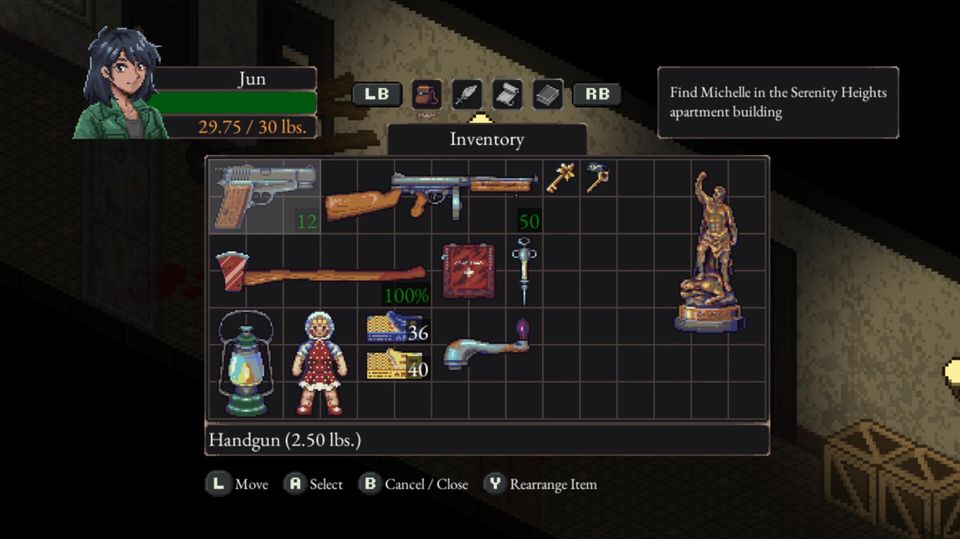
The inventory is limited and resources are scarce, which turns positioning into a core stat. Before committing to a room, walk the route twice in your head: what you need to pick up, what you can leave, and which door you want to re-enter through. If a section lets you choose the order to clear it, clear the far end first — back-tracking through an emptied wing is free.
Fight only when the fight is worth it
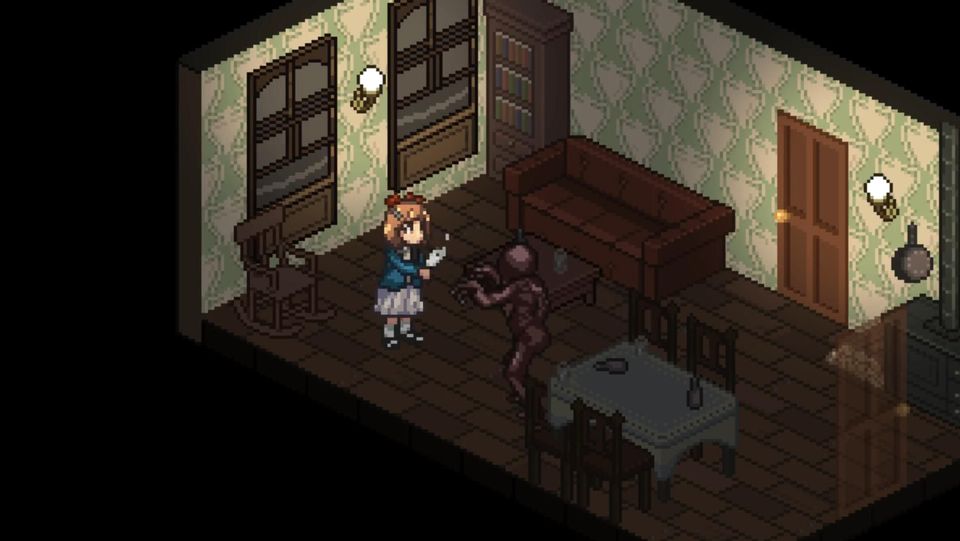
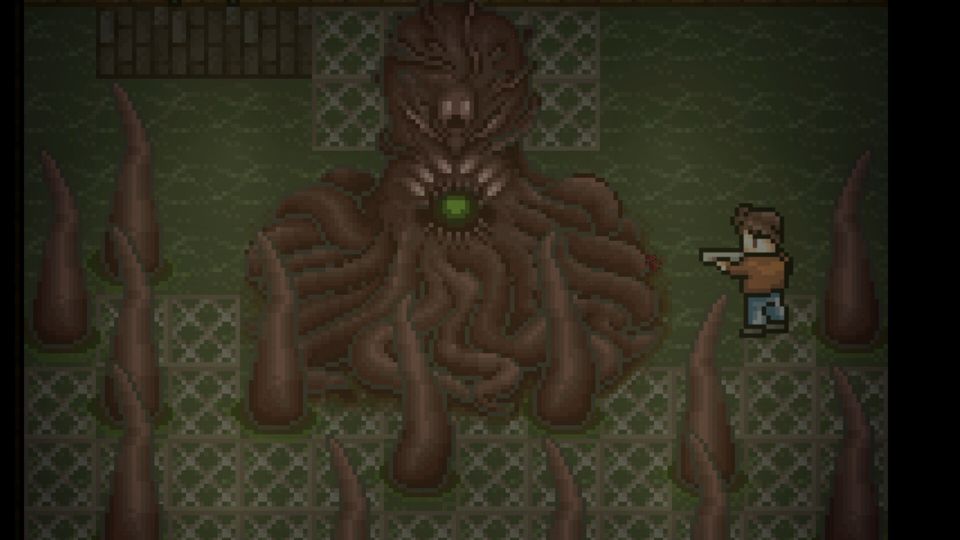
Enemies in this game are relentless because the design wants you to avoid them: run, sneak, or out-think them. Ammo is scarce and every encounter has a cost beyond ammunition — it works on your mental state, and low mental state spawns stronger hallucinations that in turn blur the information on your screen. The cleanest fights are the ones you never take. When you do commit, commit fully and quickly; half-measures pay horror damage.
Manage the mental state
Sanity in Dead of Darkness is a system you read the same way you read health: each enemy encounter takes a toll, and the effect scales up as the number drops. The design intent is that the world gets louder as you get weaker — stronger hallucinations, less trustworthy information. The practical rules are the ones above (fewer fights, shorter routes, no dead-end stand-offs), plus treating recovery as part of your route plan rather than a reaction.
Read everything, examine everything
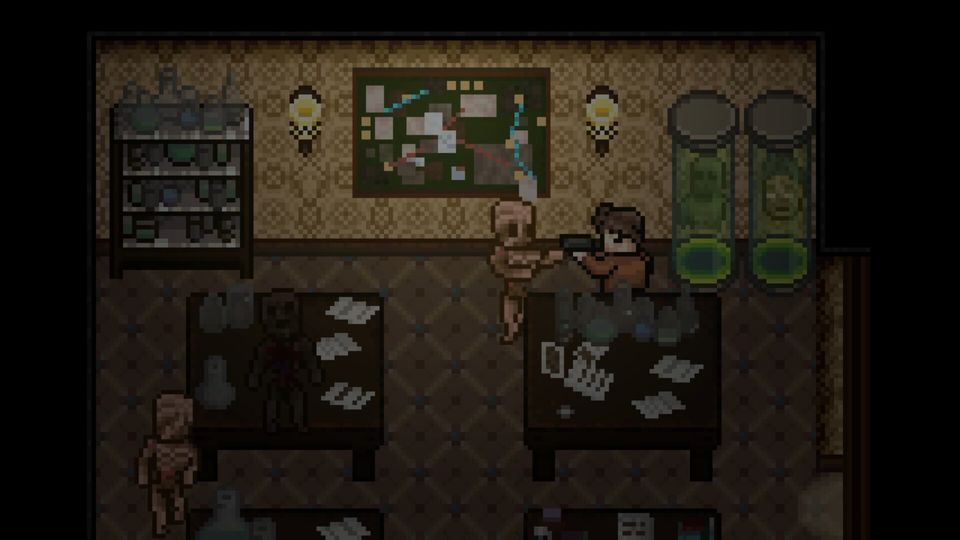
Investigating is a primary verb: search the environment, inspect items and read documents. Clues unlock caches and secret passageways, and the game's narrative lives in the documents you find. Treat every readable as both loot and story. This habit transfers directly to the sequel, where notes and objects carry the town's secret.
Pick your difficulty on purpose
The game ships with adjustable difficulty and received balance passes (patch notes adjusted the difficulty of areas like the Path of Faith and Tower of Faith). If you are here for the story ahead of the sequel, choose the easier setting without shame — the route planning and atmosphere survive it. If you want the full survival-horror bargain, stay on the higher tiers and remember the golden rule.
Where deeper solutions live
Pixel-exact damage numbers, spawn tables and puzzle solutions for the first game live in the community's walkthroughs — the Steam community hosts a complete 100% walkthrough series, and achievement guides cover the optional content. This page focuses on the habits and system literacy that carry straight into the sequel.